Young friendship across the colour line in apartheid SA reshapes views about whites | Daily Maverick
Kingsley Mamabolo 2025-12-14T09:50:55.000Z
/file/attachments/orphans/Kingsley5_456804.jpg)
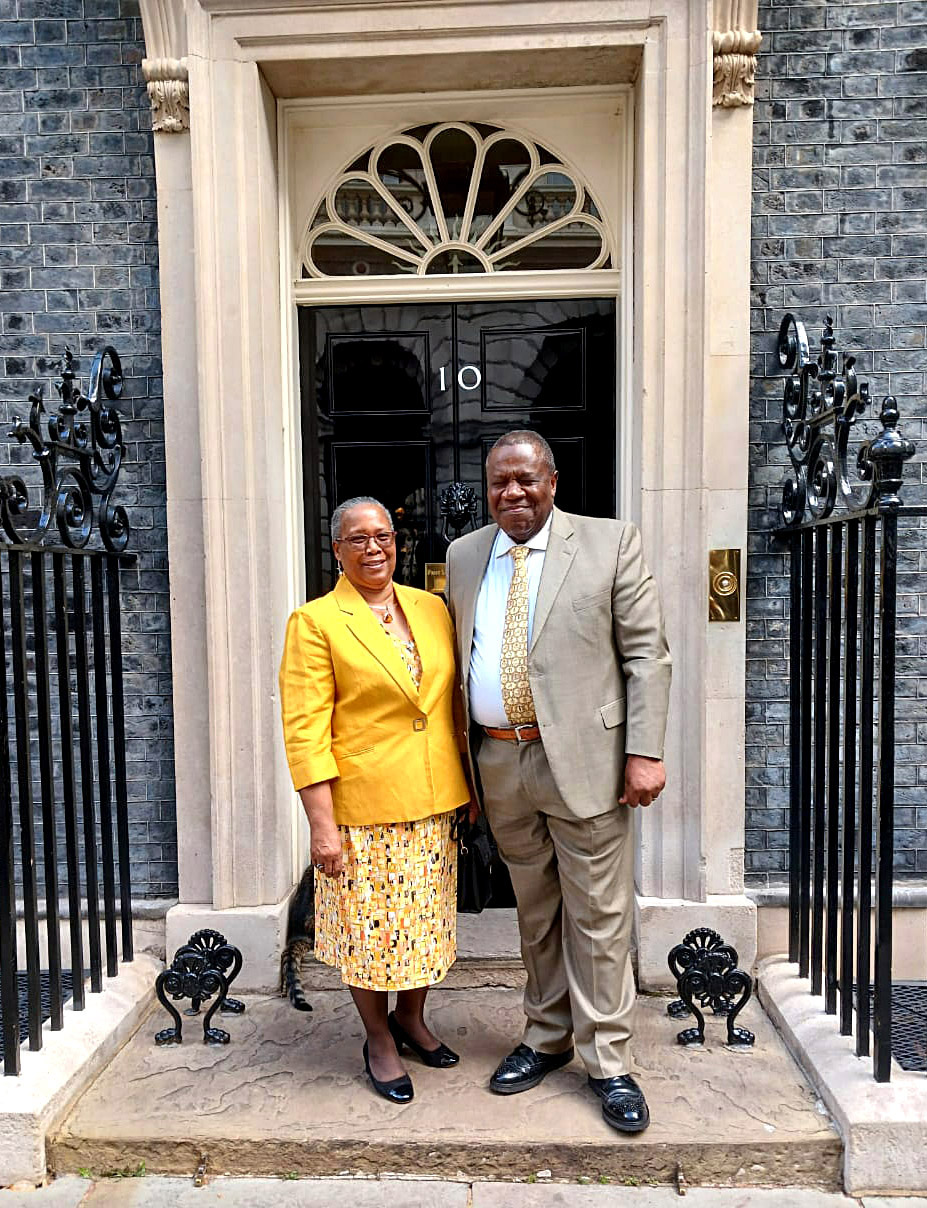
In this excerpt from his memoirs, South Africa’s high commissioner to the UK Kingsley Mamabolo describes how a white childhood friend helped change his views about whites.
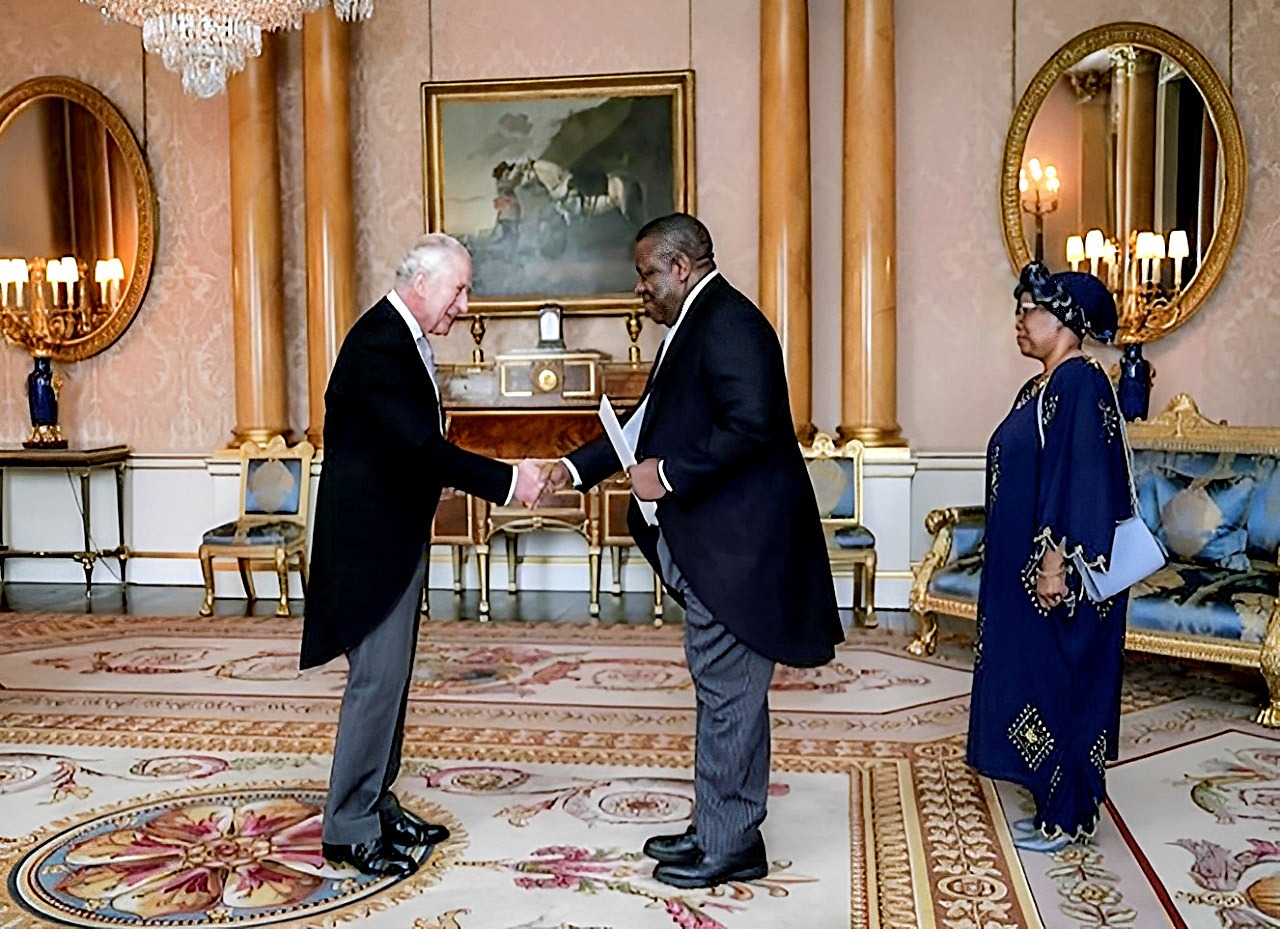
In his memoirs, Let Not the Sun Set on You, published this month, Kingsley Mamabolo, now South Africa’s high commissioner to the UK, describes how he rose from a tough childhood in Soweto under apartheid, to exile and military training in the ANC’s military wing, uMkhonto weSizwe, in Swaziland, Mozambique and Angola, and then to eventually becoming one of the new South Africa’s top diplomats, serving also as high commissioner to Zimbabwe and Nigeria and ambassador to the African Union and to the United Nations.
As the book also describes, in poignant terms, how his remarkable journey was also a philosophical evolution, from the black consciousness beliefs which he carried with him into exile in 1976, to an acceptance, after he joined the ANC in Swaziland, of its non-racial doctrine that South Africa belongs to all who live in it.
In this excerpt from Chapter 16, Repressive Minority White Rule and African Resistance, he describes how Andre van Niekerk, his only white childhood friend, helped change his views about whites. Andre was introduced to him by the white American missionary Reverend Dick Morgan, who taught religion to Mamabolo and his classmates in segregated Soweto.
- **
On one of his visits, the Reverend approached me with an invitation to select nine other students that plus myself would constitute a group to attend a birthday party of one of his white students in the “Roodepoort” suburban area where he lived. I approached some of my friends quietly. They were all excited at the prospect of our very first visit to a white neighbourhood to mingle with students of our age across the colour line.
The Saturday of the birthday we were collected by the Rev and driven in his Volkswagen minibus to Roodepoort. A group of young white boys and girls were waiting patiently for our arrival. Initially there was a tense encounter as we did not know what to make of each other, but in a little while we warmed to one another and began gibbering excitedly as if we were old acquaintances.
In the excitement and the discussions that ensued I met Andre. For most of the evening we sat separated from the rest of the group and engaged in serious discussions about everything. We bonded and established a link that was to continue long after the birthday party.
I was to become a regular visitor to the Van Niekerks. Rev Morgan collected me from Soweto and brought me back for every visit. At Andre’s place we played table tennis and other games. At no stage, during all my visits to the Van Niekerks, did I ever feel discriminated against.
At some point, Andre and I decided that instead of the usual weekend visits to his place, we would spend some time together in the city centre. One Saturday morning, at an agreed time we met at a location in Johannesburg and toured the city, going to places of interest. After a while, around lunchtime, Andre suggested we look for a place to eat. I reminded Andre that as far as I knew, there was no restaurant in the whole of Johannesburg that permitted whites and blacks to wine and dine together. I suggested that we look for separate restaurants catering along colour lines in accordance with the prescribed law and then meet later after lunch.
“Nonsense,” retorted Andre in disbelief. “There must be a place where we can sit and eat together. Come with me.” And so we began our search for a place to have our lunch together. It was frustrating and humiliating that every place we went to, with Andre leading and asking the question “Is it permitted for my friend and I to come in and have lunch?”, the answer invariably, expressed differently at each eating place we approached, was: “You can come in and have a seat sir, but the boy must wait outside.” We stormed out in anger and searched for the next eating place with no better results.
We repeated this until we came to one of those open-space restaurants at the base of the Carlton centre building in the city centre. The little restaurants had see-through windows and tills where orders and payment were made. The tables were neatly laid out in an open space outside the room, visible to people behind the tills and those serving inside.
“Sit here! and I will go and order our lunch,” Andre suggested, pointing to a table and moving hurriedly inside the room to place the order. I sat down with a big sigh of relief and was pleased that I could rest my feet after the long hours of crisscrossing the city. It took me a while to notice that all the people around were staring at me. It was clear that without making a sound, I was disturbing the peace. Upon scrutiny, it dawned on me that all those seated at other tables around mine were exclusively white.
Just by sitting there I had encroached on other people’s area and comfort zone. Many of the whites stretching their necks and looking in my direction were either curious, cynical, while some were downright angry and felt insulted. “Who is this arrogant black that dared to challenge established procedure and encroach into their space?” Andre and I assumed that because the tables were in an open space, there would not be a rigid application of the discriminatory laws. We were wrong.

The black youngster cleaning around and wiping the tables assessed the situation and assumed that I was a visitor from an African country up north and was probably unaware of the severe punishment meted out to those who defied the law. He came quickly to me and very politely enquired in broken English whether I was a South African: “Where coming, mnumzana (sir)?” he asked.
Upon discovering that I was a South African, he switched from English and, speaking comfortably in Zulu, cautioned me: “It is not allowed for blacks to sit here, sir; this place is reserved for whites. Baso ku bopha, mnumzana (you will be arrested, sir),” he added.
“Oh! I was not aware,” I replied in Zulu, at which point I looked through the glass panels of the restaurant and saw that at the till inside the shop, Andre was being questioned by the restaurant owner about my presence there. The shop owner had seen Andre and I arrive together.
I stood up slowly, afraid to disturb the peace any further, and moved away meekly – my actions deliberately intended to demonstrate that I was submissive and that it was not my intention to cause trouble, akin to a dog that, once taught a lesson, would move away whimpering with its tail between its legs. I was ashamed and humiliated.
Andre was equally angered and embarrassed. As a white youngster, the system had concealed from him the extent to which race or religion was manipulated to perpetuate the crudest and barbaric form of discrimination. He was leading a decent, honest, God-fearing life, and was never exposed to the ugly side of the reality in apartheid South Africa.
When he realised that I could be arrested, we quickly left the place, carrying with us the food he had bought. We walked the streets looking for a suitable spot to have lunch until we eventually found a public place where we could sit, as two friends, and share a meal together.
We looked around and came across the long, round concrete pillars at the centre of the building that are built to hold and reinforce the roofing. We perched ourselves on the concrete support of one pillar, placing the food between us and began to eat. Even at that, black and white passers-by were surprised at our audacity and stared at us as they passed. They understood that this was not the usual master-and-servant relationship.
I remain truly indebted to the Van Niekerk family. Their conduct and acceptance of me for who I am, across the colour line, changed the perception and generalisation I had then that all whites were racists and oppressors.
My acceptance of Ntate John Nkadimeng’s education of an ANC philosophy of a South Africa that belongs to all who live in it that we were all sceptical about when we joined the ANC in Swaziland, was made easier by the interaction of people like the van Niekerks, Joe Slovo, Ronnie Kasrils, Albie Sachs, Wolfie Kodesh, Michael Lepsly, Eli and Violet Weinberg. and others. It took some educating and a real journey of political understanding indeed, to appreciate the assertion that it is not necessarily the colour of people that is oppressive, but the system that creates conditions for racism to flourish. DM
Let Not The Sun Set On You by Kingsley Mamabolo has just been published by Ssali Publishing House and Unisa. Price: R280.